Case Opener

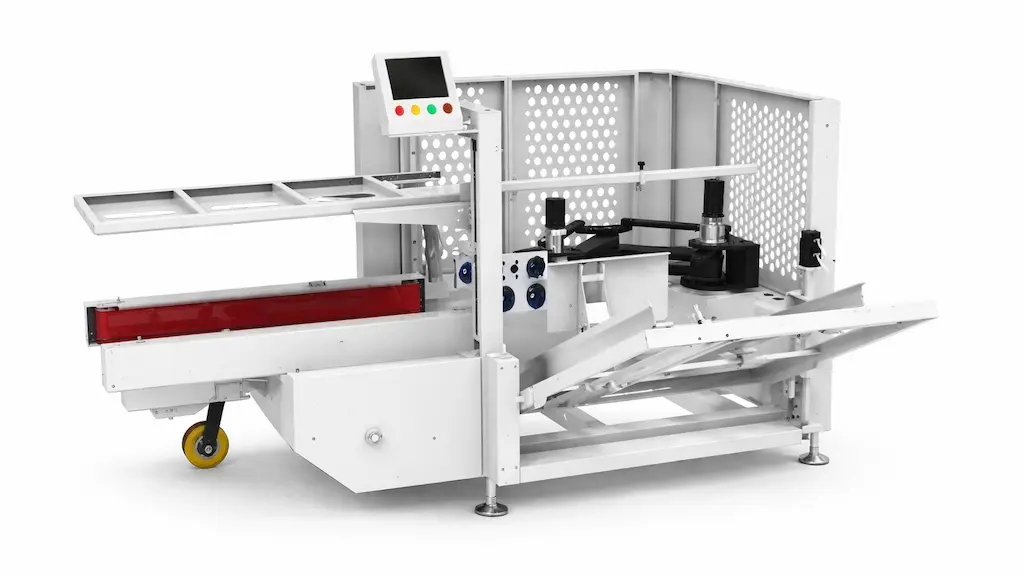
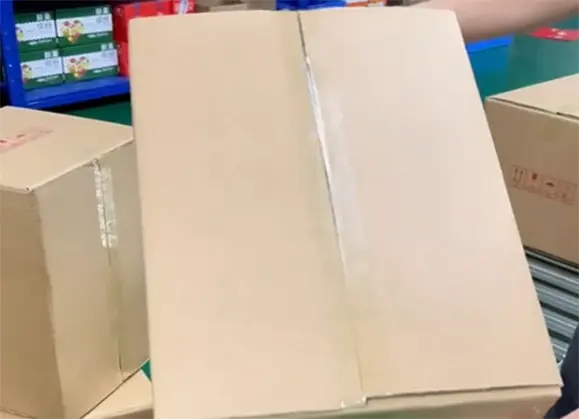
The Case Opener is a fully automatic machine that takes flat corrugated cardboard blanks, opens them into the correct box shape, and seals the bottom flaps with tape — delivering a rigid, open-top case ready for product loading at the next stage of the line.

Case-opener-with-white-background

Demo

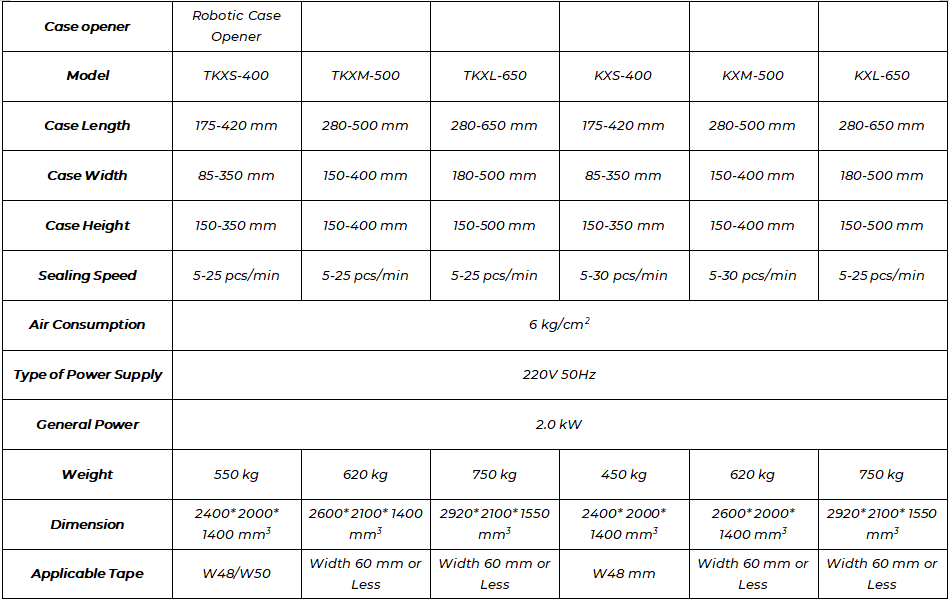
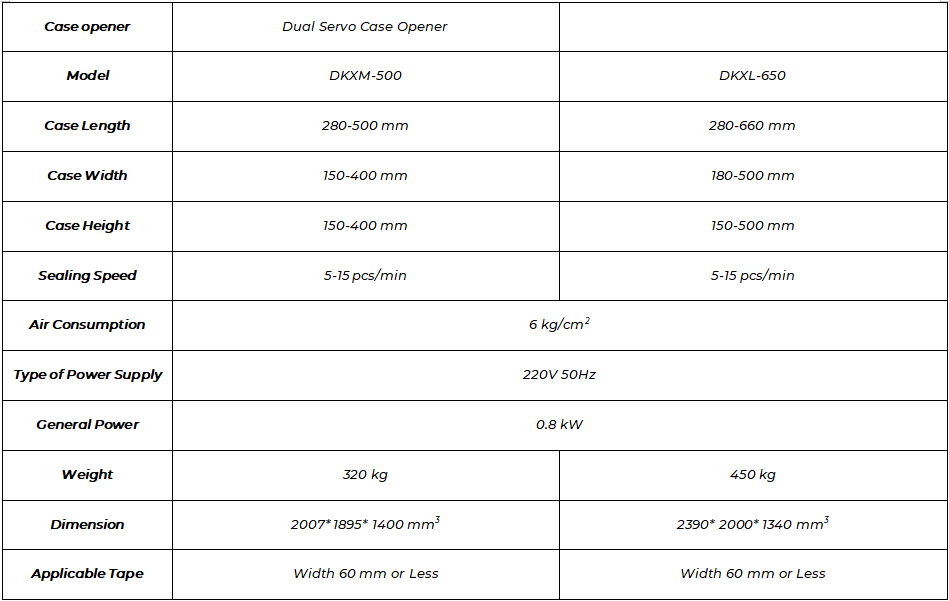
Technical Specifications

How dose it work?

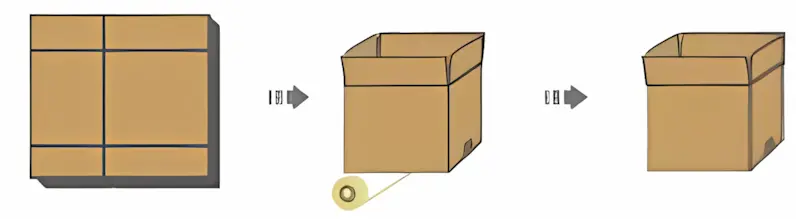
This diagram showcases the three essential stages of the case opener’s operation.

diagram-showcases-the-essential-stages-of-the-case-opener’s-operation.

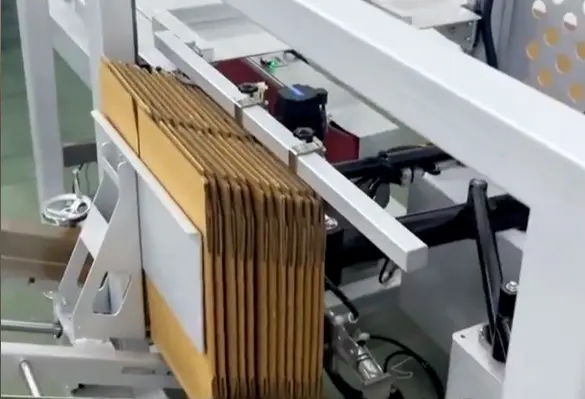
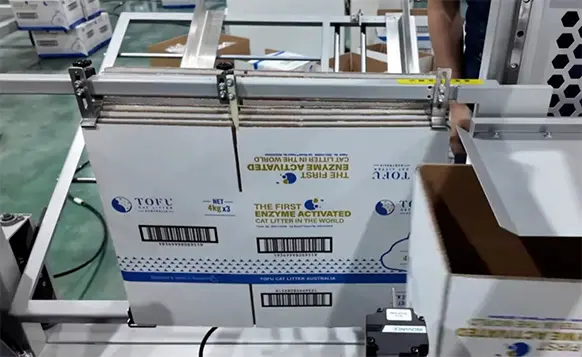
Stage 01 — Magazine Loading and Blank Feeding

Flat corrugated cardboard blanks are loaded into the magazine at the back of the machine — stacked in a slightly inclined rack with the pre-scored fold lines facing the correct direction for forming.

Flat-corrugated-cardboard-blanks-are-loaded-into-the-magazine-at-the-back-of-the-machine
Flat-corrugated-cardboard-blanks-are-loaded-into-the-magazine-at-the-back-of-the-machine-1

Stage 02 — Box Opening

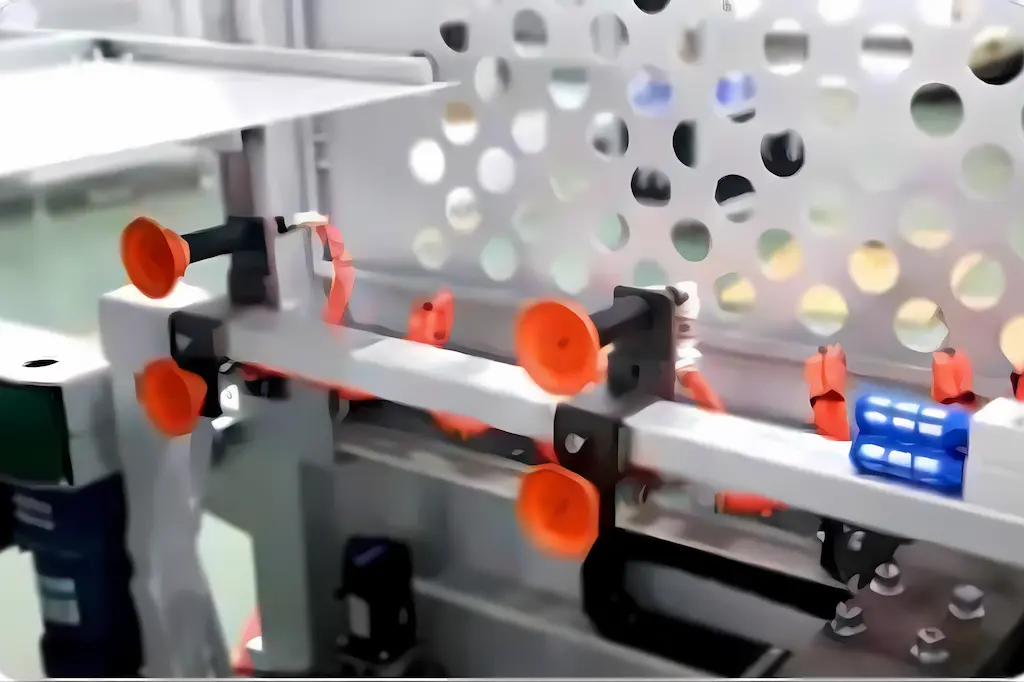
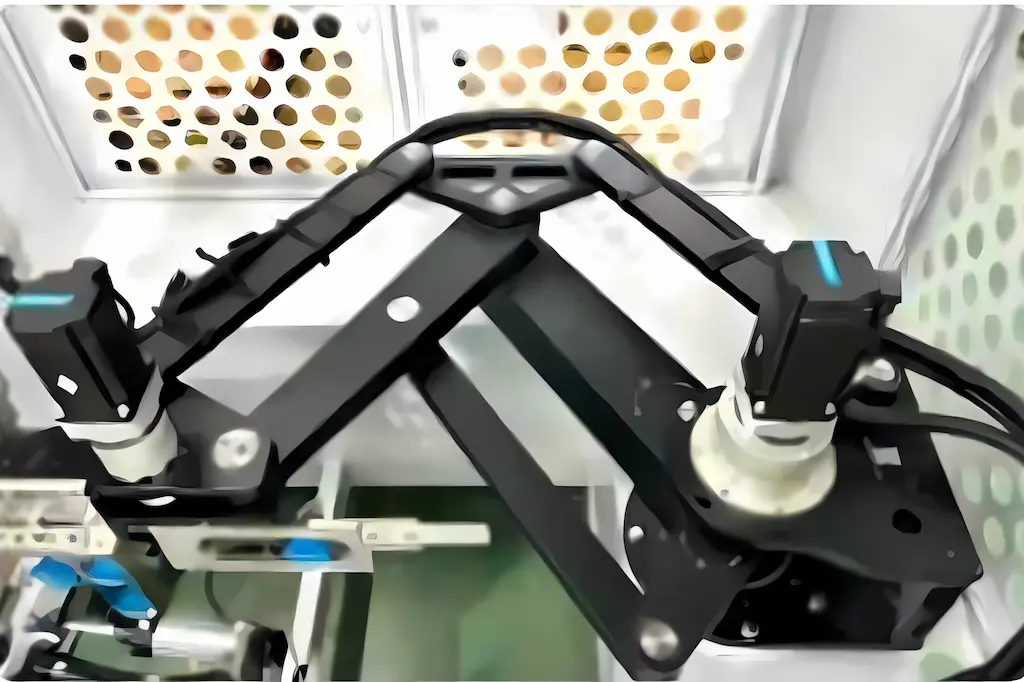
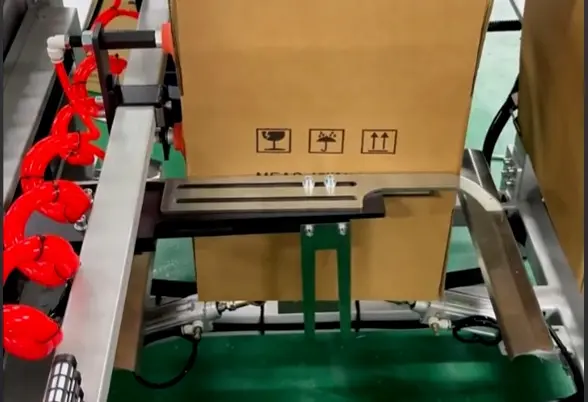
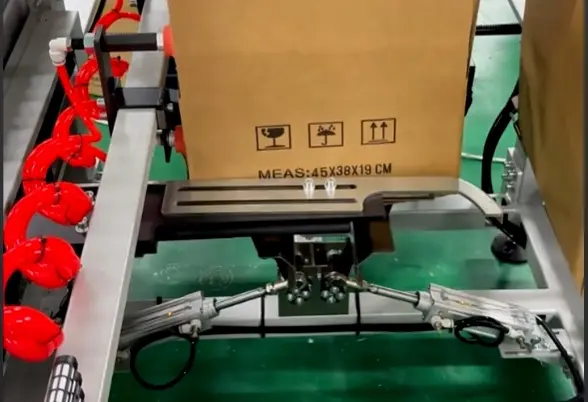
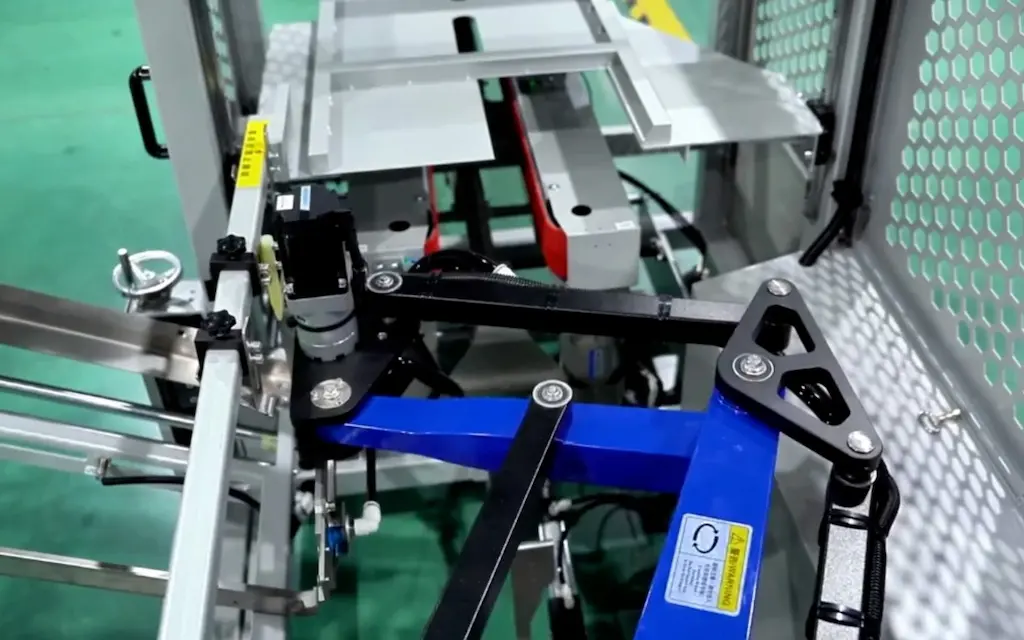
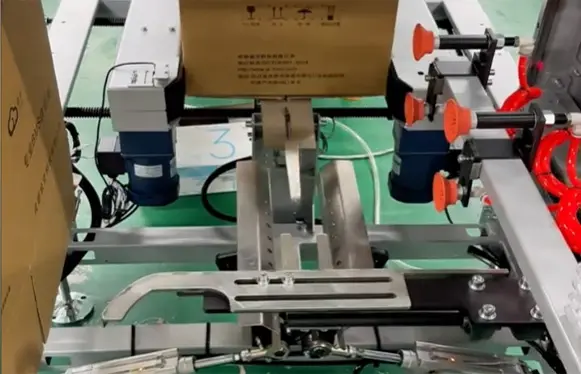
At the starting station, the front of the blank is gripped by a robotic arm or an electric clamping device equipped with suction cups, while a side-forming device running along the pre-creased fold line unfolds the blank. As the two sides separate, the four side walls of the carton rise and fall into place, forming a three-dimensional rectangular structure.

the-front-of-the-blank-is-gripped-by-an-electric-clamping-device-equipped-with-suction-cups
the-front-of-the-blank-is-gripped-by-a-robotic-arm-device-equipped-with-suction-cups

Stage 03 — Bottom Flap Folding

With the box held open and square at the forming station, the bottom flaps — the four flaps that will form the base of the box — are folded inward in a specific sequence. The two minor flaps — the shorter flaps on the two narrow sides of the box — are folded inward first by mechanical folding arms that rotate inward and downward, pressing each minor flap flat against the inside base of the box. The folding arms retract as soon as each flap is in position, holding the minor flaps down while the major flap folding begins.

 the-bottom-flaps-are-folded-inward-in-a-specific-sequence-1
 the-bottom-flaps-are-folded-inward-in-a-specific-sequence

Stage 04 — Bottom Taping

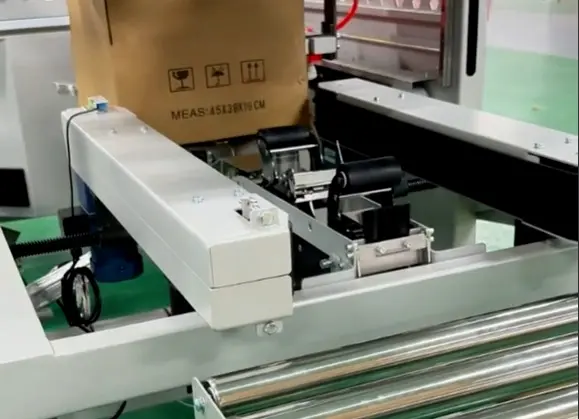
With all four bottom flaps folded and held in position, the box moves forward through a tape sealing unit. The tape sealing unit consists of a tape head mounted below the conveyor level and a set of pressure rollers above. As the box moves forward over the tape head, a strip of tape is pulled from the tape roll and applied across the bottom seam — the junction line where the two major flaps meet in the centre of the base. Pressure rollers above and below the tape application point press the tape firmly onto the cardboard surface on both sides of the seam, ensuring a strong, flat adhesion across the full width of the tape strip.

 Bottom-Taping-Device
 Bottom-Taping

Robotic Case Opener vs. Dual Servo Case Opener

Robotic Case Opener

The robotic arm picks a flat blank from the magazine using a vacuum gripper tool mounted on the end of the arm. It carries the blank through a programmed motion path — rotating, tilting, and opening the blank into box shape through a combination of arm movement and a fixed forming station.

Robotic Case Opener

Dual Servo Case Opener

Servo motor controls the suction device that precisely grabs and opens the box. It drives the forming and flap folding sequence — controlling the speed, timing, and force of the mechanical arms that open the blank and fold the bottom flaps.

Dual Servo Case Opener

Which one should you choose?

Choose a robotic case opener if your operation runs a wide variety of box sizes or formats, handles lighter carton board or complex die-cut shapes, changes formats frequently, or is part of a wider automated or robotic fulfilment environment where the robot can be integrated into a broader system.


Choose a dual servo case opener if your operation runs high volumes of the same corrugated RSC case size — or a small number of sizes that do not change frequently — and output speed and cost efficiency are the primary considerations.