L-Sealer

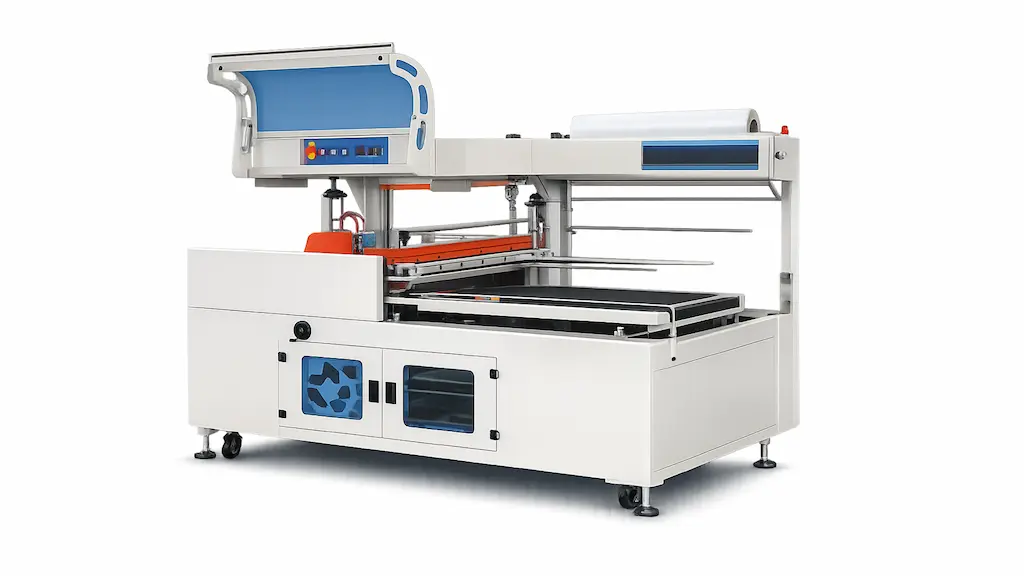
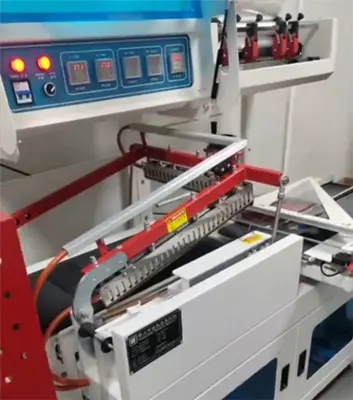
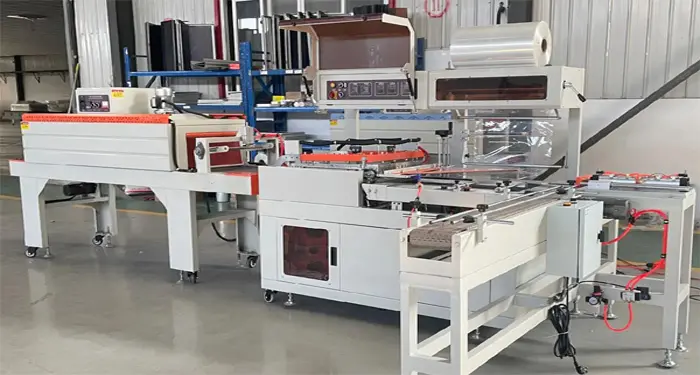
The L-Sealer is a packaging machine that wraps individual products or grouped multi-pack bundles in shrink film, creating a fully enclosed film envelope around the product in a single sealing motion. It is the first half of the shrink-wrap process — once the product is wrapped and sealed by the L-Sealer, it passes through a shrink tunnel where heat causes the film to contract tightly around the product surface, producing a clean, professional, tamper-evident finish.

L-sealer-with-white-background

Demo

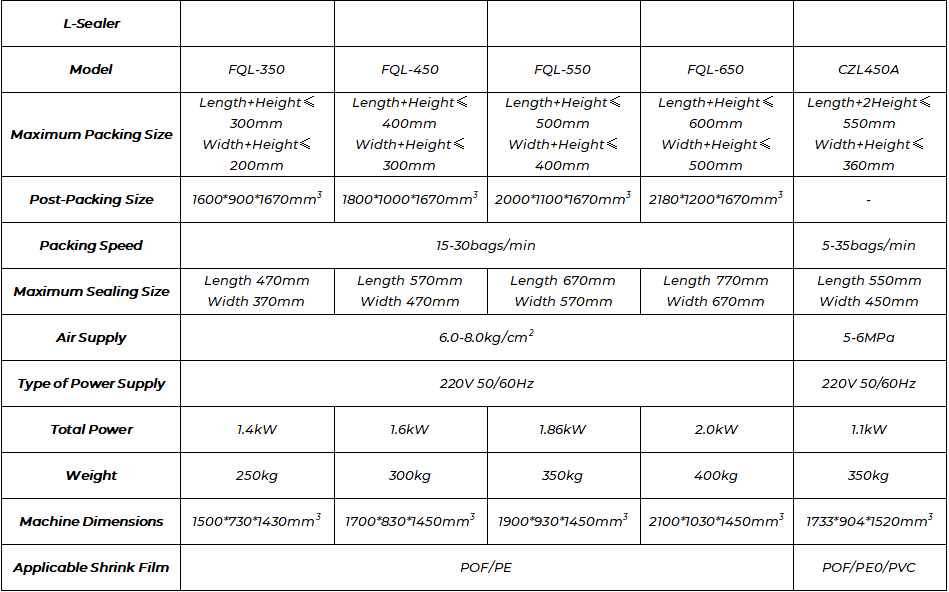
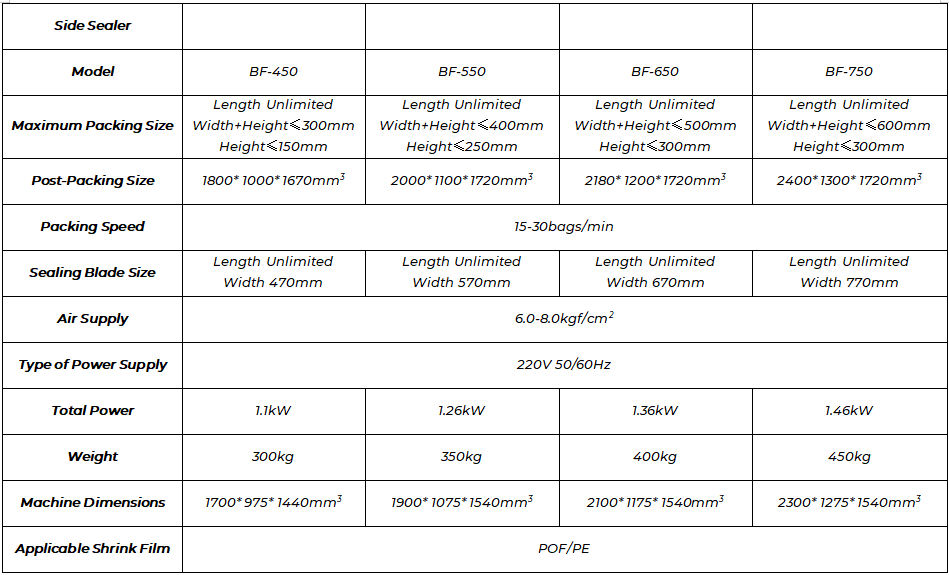
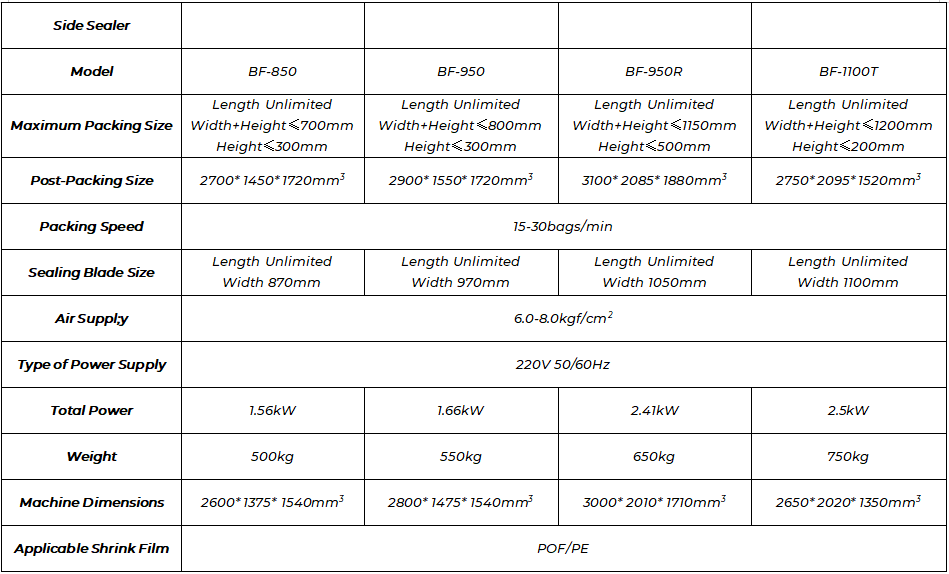
Technical Specifications

How it works?

Stage 01 — Film Setup

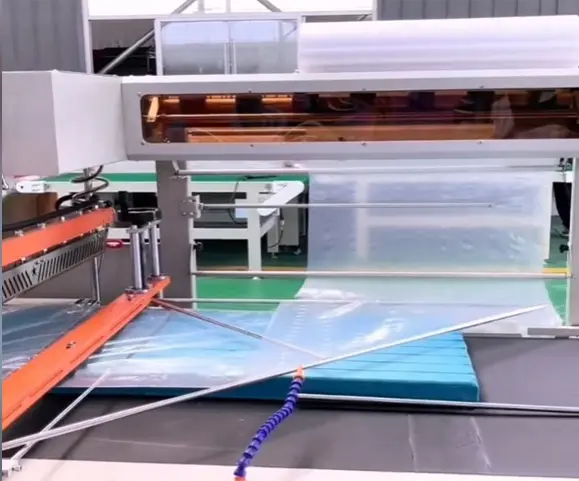
The L-Sealer uses a centrefold film roll — a flat roll of shrink film that is pre-folded in half lengthwise along its centre, so the two layers of film face each other with the fold running along one side and the two open edges running along the other. The film roll is mounted on a reel holder at the back of the machine and fed forward so that the folded film opens up like a book — the two film layers creating a flat pocket between them, open on three sides, into which the product will be placed.

The-film-roll-is-mounted-on-a-reel-holder-at-the-back-of-the-machine-and-fed-forward-1

Stage 02 — The Sealing Bar Closes

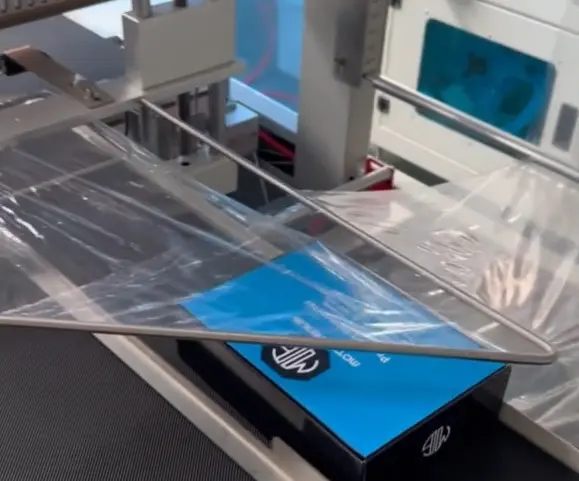
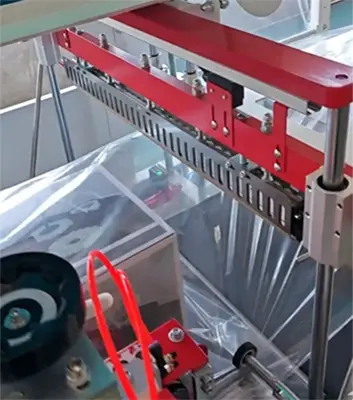
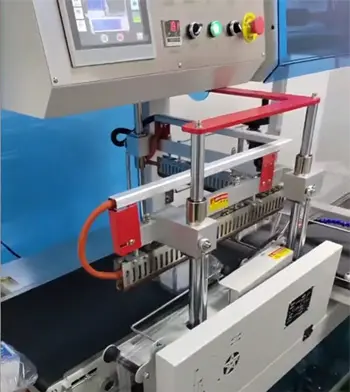
With the product positioned inside the film pocket, the automatic cycle trigger activates the sealing bar. The sealing bar is L-shaped — it has one long arm that runs across the full width of the machine perpendicular to the product travel direction, and one shorter arm that runs parallel to the product travel direction along the side of the film pocket. When the sealing bar closes, both arms press down onto the film simultaneously — the long arm sealing across the front of the product and the short arm sealing along the side of the product — creating two seals in a single closing motion.

 The-Sealing-Bar-Closes
 The-Sealing-Bar-Closes-1

Stage 03 — Sealing Bar Opens and Product Is Removed

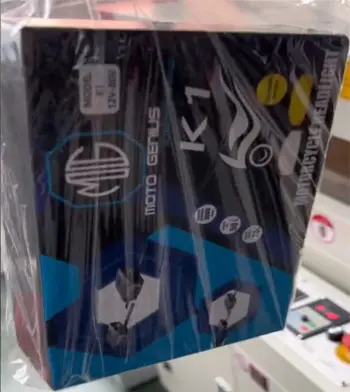
After the sealing bar has closed, applied heat and pressure for the correct dwell time, and completed the seal-and-cut action, it opens and returns to its home position ready for the next cycle. The wrapped product — now enclosed in a loose film envelope that is slightly larger than the product — is removed from the sealing area and transferred to the shrink tunnel infeed conveyor. The film envelope at this stage is loose around the product — it does not yet conform tightly to the product shape.

Sealing-Bar-Opens
Product-Is-Removed

L-Sealer vs. Side Sealer

L-Sealer

The L-Sealer uses a centrefold film roll. The product is placed inside the open pocket created by the two film layers, and a single L-shaped sealing bar closes to make two seals simultaneously — one across the front of the product and one along the side — while cutting the film to separate the finished pack from the remaining film roll. The fold edge of the film forms the fourth side of the envelope automatically, so only two seals are needed to fully enclose the product.

l-sealer

Side Sealer

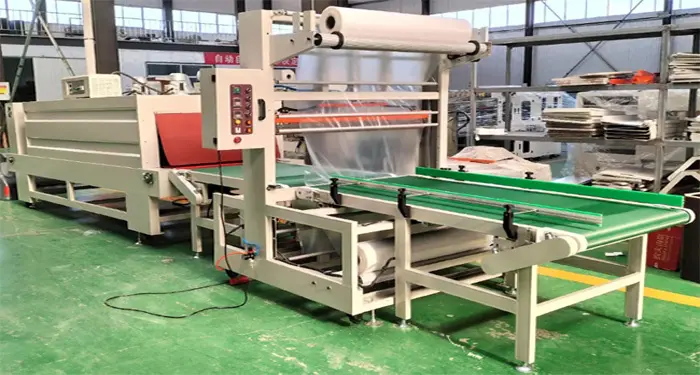
The Side Sealer also uses a centrefold film roll, but the sealing and product feeding work differently. The product is fed onto the lower film layer by an infeed conveyor — continuously, without stopping — and the upper film layer is folded down over the product as it moves forward. A continuous rotary side seal unit running alongside the product travel direction seals the two open film edges together along the side of the product in a continuous motion — forming a tube of film around the product as it moves. At the end of the machine, a cross seal and cut unit seals and cuts both ends of each individual pack in a single action as the product exits the tunnel of film.

side-sealer

Summary

Choose an L-Sealer if your operation runs at low to medium volume,  handles a variety of product sizes that change frequently, or has a budget and floor space constraint.

The Side Sealer is the right choice for large-scale food, cosmetics, and consumer goods production lines where output rate is the primary requirement.

If you are unsure which is right for your operation, contact us — we will assess your product type, output requirements, and line setup and recommend the right solution.